TAS · State guide
Marine autopilots Tasmania
Plan marine autopilot use in Tasmania: Derwent, Channel and offshore conditions, cold-water watchkeeping, system selection, training and safety resources.
- Authority
- Marine and Safety Tasmania (MAST)
- Licence
- A motor boat licence is required to operate a vessel with an engine of 4 hp or more
- Regions
- 1 local guide
- Reviewed
- September 2026
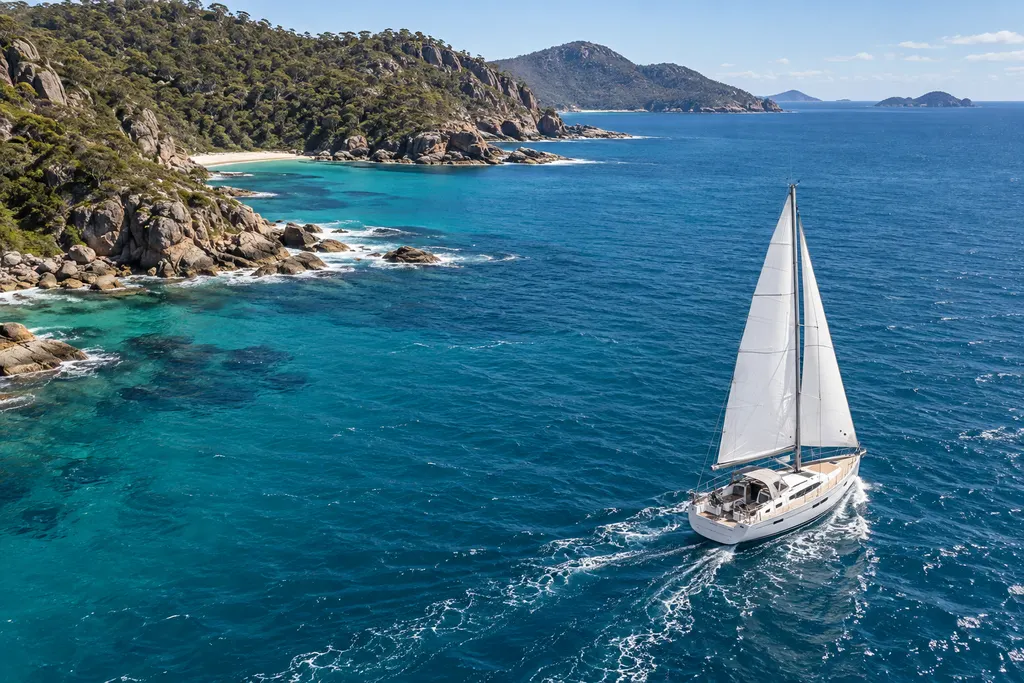
Tasmania has the most beautiful cruising water in Australia and the coldest. The Derwent, the D'Entrecasteaux Channel and the Huon are sheltered and full of classic timber yachts; Storm Bay and the Tasman Peninsula are exposed to the Southern Ocean; the east coast to Freycinet and the Furneaux Group is a series of passages between shelter; and Bass Strait to the north is the crossing everyone talks about. Westerlies from the roaring forties set the weather.
Cold water changes the safety arithmetic. A person overboard from a boat under autopilot in Storm Bay in winter has minutes, not hours. Tether discipline with the pilot engaged is not advice here; it is the rule.
Browse all places on this map
Local planning notebook
Autopilot passage and installation planning in Tasmania
A Channel day sail and an exposed Tasmanian coastal passage call for different contingency planning. Consider the watch position, clothing, visibility and sustainable manual-steering periods alongside the equipment. A sheltered trial is a baseline, not an offshore guarantee.
What to ask at the handover
Practise a watch handover with the boat’s night display arrangement and explain the conditions for calling additional crew. Keep controls accessible with the clothing normally worn aboard.
Night display setup →Before leaving Tasmania
This is planning context, not a live forecast or navigation instruction. Check the information that can change before each trip.
Marine and Safety Tasmania (MAST) ↗Bureau of Meteorology marine forecasts ↗Prepare a brief for a local installer →Regional equipment suggestions are editorial starting points. They do not identify a local branch, approved installer or business affiliation.
Tasmanian waters and the autopilot
The Channel and the Derwent are flat-water training grounds with aquaculture leases, ferry traffic and the Sydney Hobart finish. Storm Bay can be a millpond or brutal within a day. The east coast and the Furneaux Group have tidal streams, kelp and few marks. Bass Strait, northbound, is the same test it is from Victoria. Pilots need drive margin for the westerlies, for the streams and a crew that keeps watch in the cold.
- Cold water: tether every time the pilot is on
- Westerlies and fronts: reef early, response up
- Aquaculture leases in the Channel: routes checked at large scale
- Storm Bay and the Peninsula: hand-steering competence
- Bass Strait: below-deck drive with margin, spare pilot
The Tasmanian fleet
Hobart's fleet is famously old and beautiful: Huon pine classics on tiller pilots and simple wheel pilots, alongside modern cruisers and the Sydney Hobart and Melbourne to Hobart visitors on B&G and Raymarine systems. Cruising yachts bound for the west coast or Bass Strait fit EV-200s and NAC-3s. The trailer-boat fleet runs Garmin and Simrad packs for the east coast and the Channel.
Recommended
Systems that suit Tasmania
Below-deck reliability for Storm Bay, the east coast and Bass Strait.
For yachts leaving Hobart for the Southern Ocean or New Zealand.
- Cold water and short survival times
- Westerly fronts and Storm Bay
- Aquaculture leases in the Channel
- Kelp and tidal streams on the east coast
- Bass Strait crossing
- Ferry traffic on the Derwent
Autopilot instruction in Tasmania
Sailing schools and club training programs on the Derwent and in the Channel teach within keelboat and Day Skipper courses. Marine electronics installers in the Hobart and Kettering precincts offer handover sessions, and the commercial trade supports the fishing and aquaculture fleets. The race-week visitors and the Bass Strait cruising community bring heavy-weather pilot experience worth learning from.
Questions
Tasmania: frequently asked
What autopilot for a Huon pine classic?
A tiller pilot or wheel pilot for the Channel; a below-deck system if the boat sails Storm Bay or the east coast. Check the electrical system first; many classics have small batteries and thin wiring.
Is Bass Strait harder from Tasmania?
Same water, opposite direction. Northbound in a westerly is a beam-to-quartering sea for 40 hours; drive margin and downwind settings matter.
Where do I get autopilot instruction in Hobart?
Club training on the Derwent, sailing schools in the Channel, and the installer who fitted your system.
Recommended systems at a glance
- Below-deck systemRaymarine
Raymarine Evolution EV-200 (Sail and Power)
- Indicative
- $5,900–$7,600
- Editor score
- 80
- Tiller pilotRaymarine
Raymarine ST2000+ Tiller Pilot
- Indicative
- $1,150–$1,500
- Editor score
- 70
- Below-deck systemB&G
B&G NAC-3 Autopilot (Triton2 Pilot Controller)
- Indicative
- $4,300–$5,300
- Editor score
- 77
- Windvane self-steeringHydrovane
Hydrovane Windvane Self-Steering
- Indicative
- $9,000–$12,500
- Editor score
- 60
- Marine safety authority
- Marine and Safety Tasmania (MAST) ↗
- Licence
- A motor boat licence is required to operate a vessel with an engine of 4 hp or more. Rule 5 applies on all Tasmanian waters.
Sailing Tasmania under autopilot?
Run the finder for your boat, then read the training section before you rely on the pilot for a passage. The lookout is yours in every state.